Hard Surface
LVP vs. Hardwood Flooring: Which Is Right for Your Home?
Choosing between LVP vs hardwood flooring comes down to how you balance budget, durability, moisture resistance, and long-term value in your home. Both options look beautiful in a Bellevue living room, but they perform very differently in a busy kitchen, a damp basement, or a bedroom that sees heavy foot traffic. This guide breaks down how the two materials compare on cost, lifespan, upkeep, and resale value so you can decide which floor fits the way your household actually lives.
Here is what you will learn:
- Core differences: How luxury vinyl plank and hardwood differ in construction, cost, and performance.
- Room-by-room guidance: Which material works best in kitchens, basements, bedrooms, and living areas.
- Long-term value: How each option affects durability, maintenance, and your home’s resale price.
What Is the Difference Between LVP and Hardwood?
Luxury vinyl plank is a multi-layer synthetic floor built to mimic wood, while hardwood is a natural product milled from solid or engineered timber. The two materials share a similar look but differ sharply in cost, moisture resistance, and how long they last. Understanding how each is built helps explain why they perform so differently underfoot.
Luxury Vinyl Plank Is a Waterproof Synthetic Floor
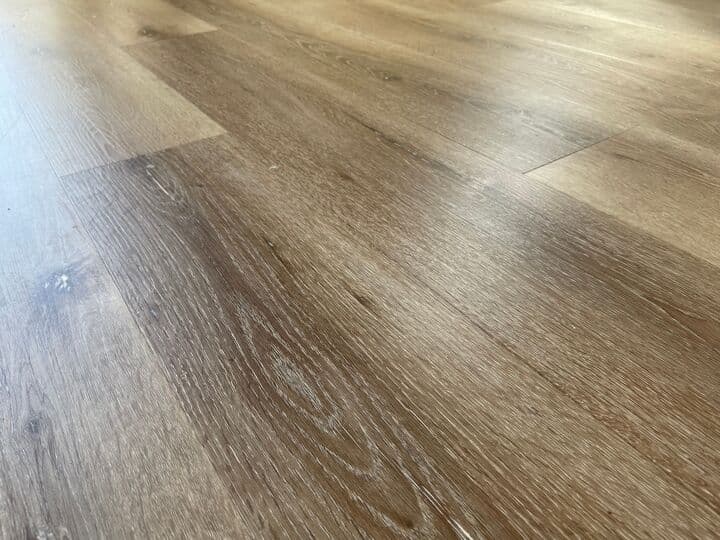
Luxury vinyl plank is an engineered flooring made from several bonded layers, including a rigid or flexible core, a printed design layer, and a protective wear layer that resists scratches and stains. Most rigid-core LVP is waterproof or highly water resistant, which makes it a strong fit for kitchens, bathrooms, and basements where moisture is a daily reality. Brands like COREtec and Karndean produce planks that convincingly imitate oak, hickory, and walnut while costing far less than the real thing. For many homeowners, LVP offers the look of wood with far less worry.
- Waterproof core: Rigid SPC and WPC construction handles spills and damp spaces.
- Durable wear layer: A tough top coat resists scratches, dents, and fading.
- Budget friendly: Installed costs typically run $3 to $7 per square foot.
Hardwood Is a Natural Floor Built to Last Decades
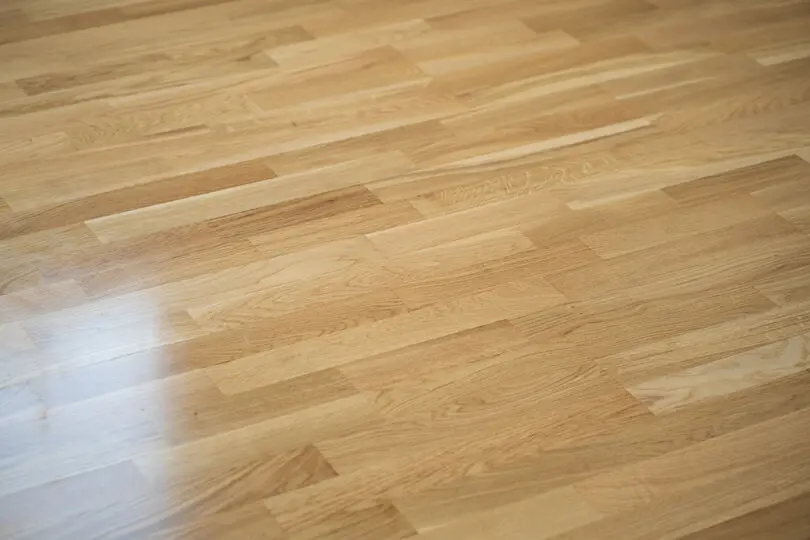
Hardwood flooring is milled from natural wood, available as solid planks or engineered boards that layer real wood over a stable core. It brings warmth, character, and timeless appeal that synthetic products work hard to imitate but never fully match. Solid hardwood can be sanded and refinished multiple times over its life, letting it last for decades or even generations with proper care. While it costs more upfront and needs protection from standing water, hardwood remains the gold standard for homeowners who value authenticity and long-term worth in their Seattle homes.
- Natural material: Solid and engineered options milled from real oak, maple, and more.
- Refinishable surface: Sand and recoat instead of replacing after years of wear.
- Long lifespan: Quality hardwood can last 30 to 100 years with care.
4 Key Differences Between LVP and Hardwood Flooring
The choice between these two floors usually hinges on a handful of practical factors that affect your daily life and your wallet. Below are the four differences that matter most when weighing luxury vinyl plank against natural wood for your home.
1. Cost and Budget
Luxury vinyl plank costs significantly less than hardwood, making it the budget-friendly choice for most homeowners. Installed LVP typically runs $3 to $7 per square foot, while solid and engineered hardwood generally falls between $8 and $15 or more per square foot depending on species and finish. For a large project, that gap can add up to thousands of dollars in savings. Hardwood carries a higher price because it is a natural material with a longer lifespan and stronger resale appeal, so the higher cost often reflects a longer-term investment.
- LVP pricing: Roughly $3 to $7 per square foot installed.
- Hardwood pricing: Roughly $8 to $15 or more per square foot installed.
- Long-term math: Hardwood costs more upfront but lasts far longer.
2. Water and Moisture Resistance
Luxury vinyl plank clearly wins on moisture resistance, since most rigid-core products are waterproof while hardwood is vulnerable to water damage. LVP can handle spills, humidity, and damp basements without swelling or warping, which makes it ideal for kitchens, bathrooms, laundry rooms, and below-grade spaces. Hardwood, by contrast, can cup, warp, or stain when exposed to standing water or high humidity, so it performs best in living rooms, bedrooms, and dining areas. In a rainy climate like the Pacific Northwest, this difference carries real weight for many homeowners.
- LVP advantage: Waterproof cores suit kitchens, baths, and basements.
- Hardwood caution: Needs prompt cleanup and stable humidity levels.
- Climate factor: Moisture resistance matters in damp Seattle homes.
3. Durability and Maintenance
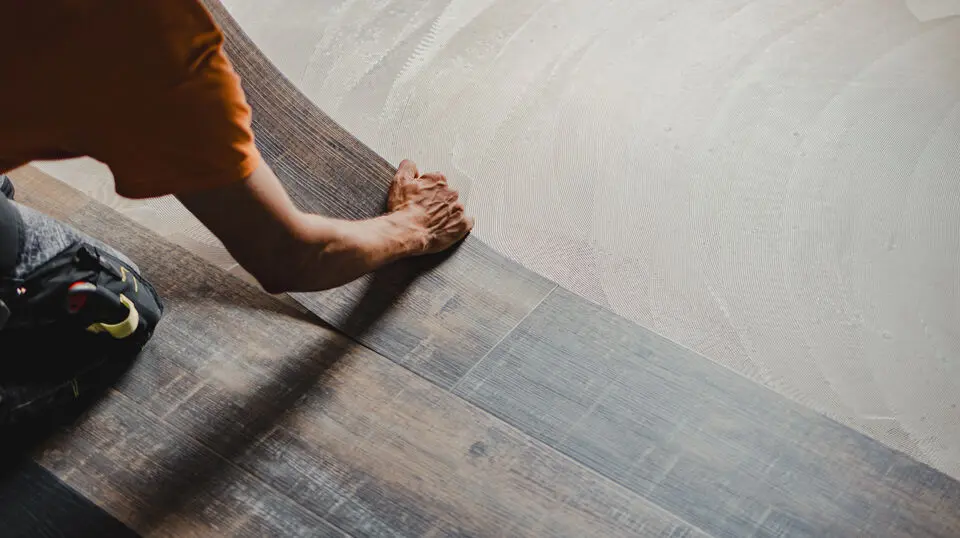
Both floors are durable, but they wear differently, and the right choice depends on your household’s traffic, pets, and cleaning habits. Luxury vinyl plank resists scratches, dents, and stains with minimal upkeep, needing only sweeping and occasional damp mopping, though deep damage means replacing planks rather than repairing them. Hardwood shows wear more readily but offers a key advantage, since it can be sanded and refinished to look new again rather than replaced. For homes with large dogs or heavy traffic, LVP often requires less worry, while hardwood rewards those willing to maintain it.
- LVP upkeep: Sweep and damp mop; replace planks if deeply damaged.
- Hardwood upkeep: Refinish every decade or so to restore the surface.
- Pet friendly: LVP shrugs off claws that would scratch soft wood.
4. Resale Value and Longevity
Hardwood delivers stronger resale value and a longer lifespan, while LVP offers solid everyday performance at a lower cost. Real wood floors are a feature buyers actively seek, and they can last 30 to 100 years when properly maintained, far outlasting even premium vinyl. Luxury vinyl plank generally lasts 15 to 25 years and appeals to buyers who want a modern, low-maintenance look, but it rarely commands the same premium as genuine hardwood. If long-term value is your priority, hardwood is the stronger investment for a Seattle home you plan to keep.
- Hardwood value: A sought-after feature that boosts resale appeal.
- LVP lifespan: Typically 15 to 25 years with normal use.
- Hardwood lifespan: Can last generations with proper care.
Homeowners weighing resale value should note that flooring choice carries real financial weight. New hardwood floor installation delivers an estimated 118 percent return on investment at resale, meaning sellers often recoup more than the project cost, according to the National Association of Realtors 2022 Remodeling Impact Report.
Which Flooring Is Best for Each Room?
The best flooring often varies room by room, since each space places different demands on the material underfoot. Matching LVP or hardwood to how you use a given room helps you get the most value and performance from your investment.
LVP Works Best in Moisture-Prone Rooms
Luxury vinyl plank is the top choice for kitchens, bathrooms, basements, laundry rooms, and mudrooms, where water and spills are constant. Its waterproof core handles the moisture that would damage natural wood, and its durable surface stands up to the heavy traffic these spaces often see. Because LVP installs over many existing subfloors and resists humidity, it solves problems that hardwood simply cannot in below-grade or wet areas. For busy family zones that take daily abuse, LVP offers peace of mind that few other floors can match in these settings.
- Kitchens and baths: Waterproof planks handle splashes and spills.
- Basements: Rigid cores resist the humidity common below grade.
- Mudrooms: Tough surfaces shrug off tracked-in Pacific Northwest rain.
Hardwood Shines in Living Spaces and Bedrooms
Hardwood flooring is the ideal choice for living rooms, dining rooms, hallways, and bedrooms, where its warmth and beauty create lasting first impressions. These spaces stay relatively dry, which lets natural wood perform at its best without the moisture risks of kitchens or basements. Because these rooms appear in listing photos and shape how buyers feel about a home, hardwood’s timeless appeal pays off at resale. For homeowners who want character and long-term value in the heart of the home, hardwood is hard to beat in these main living areas.
- Living and dining rooms: Hardwood anchors the home’s main gathering spaces.
- Bedrooms: Natural wood adds warmth where moisture is not a concern.
- Hallways: Durable finishes handle steady foot traffic with ease.
Frequently Asked Questions
Is LVP or hardwood more expensive?
Hardwood is more expensive than LVP in most cases. Luxury vinyl plank typically costs $3 to $7 per square foot installed, while solid and engineered hardwood generally runs $8 to $15 or more per square foot. The gap reflects hardwood’s natural material, longer lifespan, and stronger resale value.
Can LVP be refinished like hardwood?
No, luxury vinyl plank cannot be refinished. When LVP is deeply scratched or damaged, individual planks are replaced rather than sanded and recoated. Hardwood, by contrast, can be refinished multiple times over its life, which is one reason it lasts far longer.
Does LVP or hardwood add more home value?
Hardwood adds more resale value than LVP. Buyers actively seek natural wood floors, and the National Association of Realtors reports that new hardwood installation returns an estimated 118 percent of its cost at resale. LVP offers a modern, low-maintenance look but rarely commands the same premium.
Which lasts longer, LVP or hardwood?
Hardwood lasts significantly longer than LVP. Quality hardwood can last 30 to 100 years with proper care and periodic refinishing, while luxury vinyl plank typically lasts 15 to 25 years before it needs replacing. Hardwood’s refinishable surface is the key to its longevity.
Is LVP good for homes with pets?
Yes, luxury vinyl plank is an excellent choice for homes with pets. Its tough wear layer resists the scratches that dog nails and claws would leave on softer wood, and its waterproof core handles accidents without staining or swelling. Cleanup is as simple as a quick sweep and damp mop.
How long does flooring installation take?
Most LVP and hardwood installations are completed within two to three business days, depending on the size of your home and the condition of the subfloor. Hardwood may need extra time for acclimation or finishing when unfinished planks are used. Your installer should provide a clear schedule before work begins.
Why Seattle Homeowners Trust Hardwood Plus for LVP and Hardwood
Deciding between LVP and hardwood is easier with a local, family-owned team that installs both and knows which performs best in Pacific Northwest homes. Hardwood Plus is family-owned and owner-operated, backed by decades of combined flooring experience and an in-house crew that handles every installation with careful prep and honest guidance. We carry trusted brands like COREtec, Karndean, Mirage, and Kährs, and we help Bellevue and greater Seattle homeowners compare waterproof vinyl and natural wood side by side to find the right fit for each room, budget, and lifestyle. From your first in-home consultation through the final walkthrough, we make sure your new floors are chosen and installed to last.
Ready to find the right floor for your home? Contact Hardwood Plus today for a free in-home estimate, and let our team help you weigh LVP against hardwood and choose the perfect fit for every room in your Seattle home.