April 29, 2026
Choosing the right flooring is a critical decision that impacts both the aesthetics and practicality of a space. This article explores various options that balance style, durability, and value to help you make an informed choice for your home or business. The advent of modern technologies combined with traditional craftsmanship now offers consumers an array of choices that can withstand the test of time. Whether you prioritize elegance, ease of maintenance, or cost-efficiency, there is an ideal floor solution for every setting. Over the following sections, we will delve into the specifics of various floor types, detailing their unique benefits and potential drawbacks.
Hardwood Flooring
Aesthetic Appeal
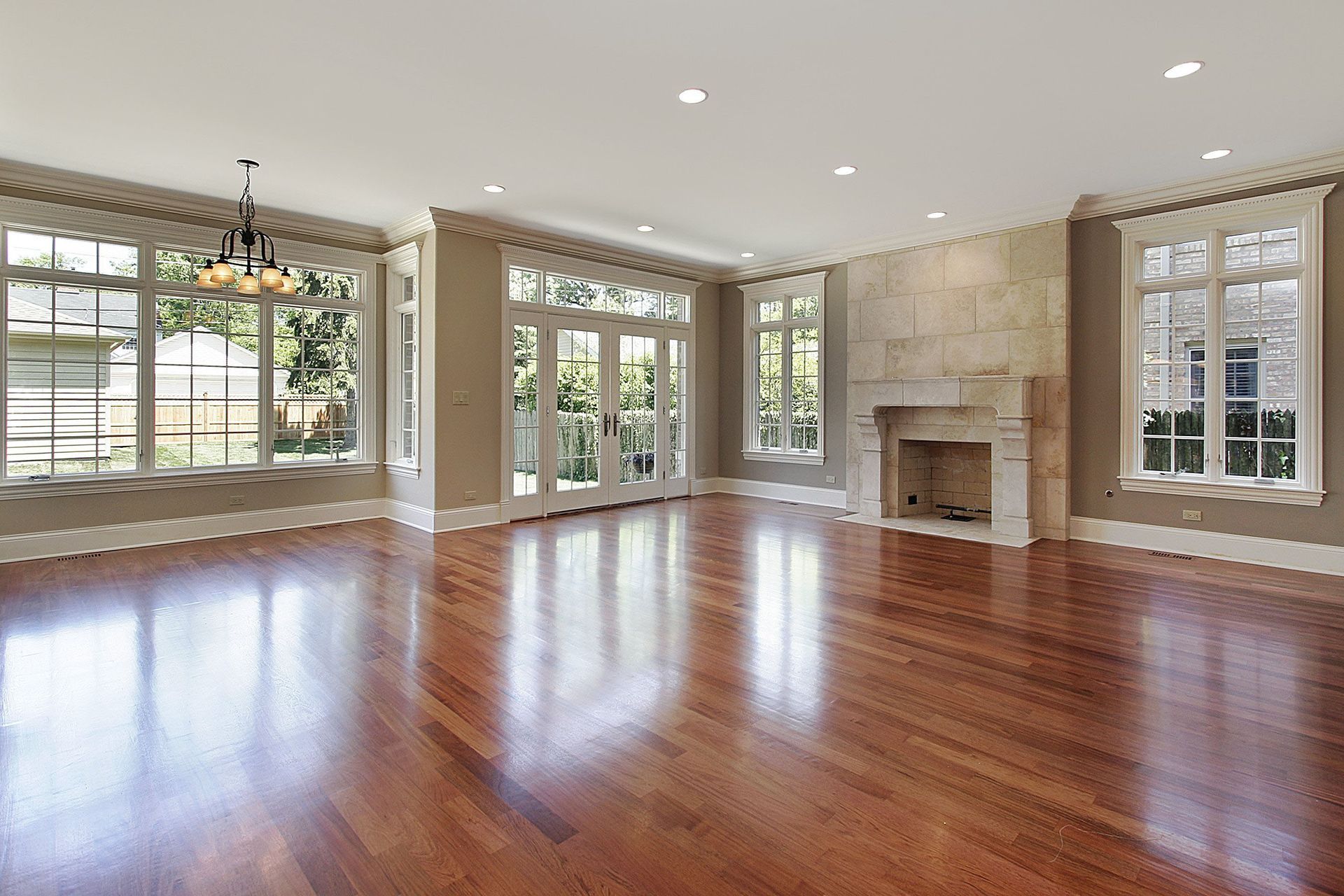
Hardwood floor remains a timeless choice well-loved for its natural beauty and charm. The variety of wood species, from oak to cherry, allows homeowners to achieve a specific look and feel. Each plank's grain and pattern add a distinct character, contributing to the overall aesthetic of the room. Furthermore, hardwood can complement a multitude of decor styles, from rustic to modern. Not only does it elevate the visual appeal of a space, but it also often enhances a property's resale value.
Durability and Life Span
Hardwood is highly durable, with many installations lasting for decades if properly maintained. According to Consumer Reports, flooring durability is tested by rubbing abrasive discs across samples in repeated cycles, with top materials showing no wear after 500 cycles (1,000 rubs). The robustness of hardwood makes it a preferred choice for high-traffic areas within a home. Moreover, the ability to refinish hardwood floors multiple times extends their usability and maintains their fresh appearance over time. This long lifespan can justify the initial investment in quality wood planks.
Maintenance Requirements
Maintaining hardwood floors involves regular cleaning with products specifically designed for wood surfaces. Sweeping or vacuuming can prevent the surface from becoming scratched by dirt and dust particles. Occasional polishing can enhance the wood's shine, while using felt pads under furniture can prevent further damage. Though water-resistant to some extent, spilled liquids should be promptly cleaned to prevent warping or staining of the wood. Overall, the maintenance requirements are reasonable given the long-term resilience and beauty of the hardwood floor.
Cost Considerations
The cost of hardwood can vary significantly based on the wood type and the quality of finish. Hardwood is typically more expensive than other alternatives, such as laminate or vinyl, both in terms of materials and installation costs. However, its longevity often offsets the initial expenditure as it rarely needs replacing. Additionally, the increase in property value that hardwood can bring might make it a sound investment.
Eco-Friendliness
Hardwood flooring's eco-friendliness stems from its natural composition and potential for recycling. Sustainable forestry practices ensure that the wood used is harvested responsibly, minimizing environmental impacts. Additionally, when it reaches the end of its life, wood can be repurposed or composted, reducing waste. Choosing wooden floors finished with non-toxic treatments further enhances their green credentials. Potential buyers looking for sustainable options might find themselves leaning towards environmentally responsible hardwood choices.
Laminate Flooring
Visual Diversity
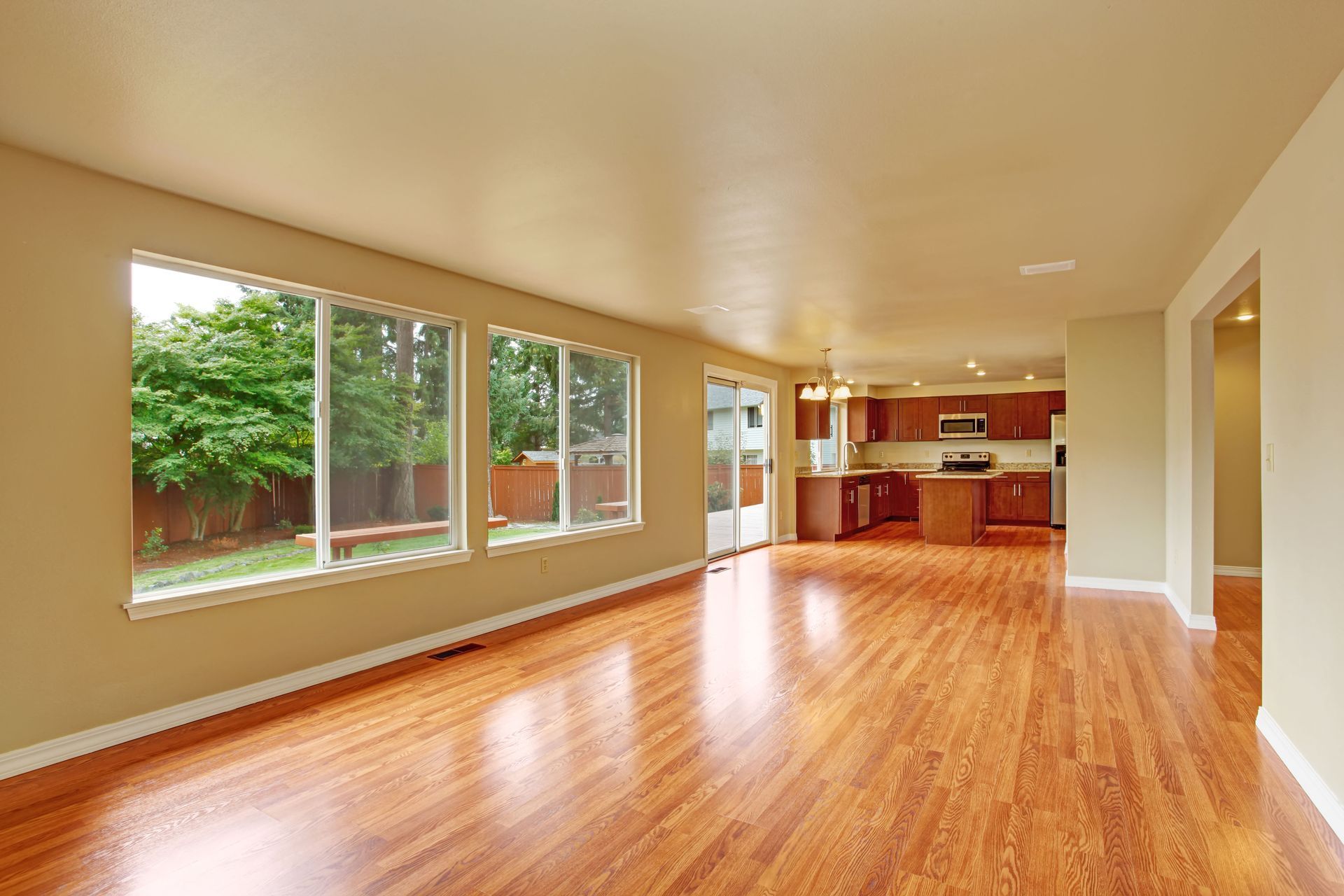
Laminate flooring offers an expansive range of design options, simulating the look of wood, stone, or tile at a fraction of the cost. Advanced printing technologies enable laminate to closely mimic the intricate details of these materials, providing a versatile aesthetic suitable for any decor style. Whether you're aiming for the rustic ambiance of aged wood or the sleek modernity of polished tiles, laminate floors can deliver. It can transform any room by adding depth and character without compromising on style. As a result, laminate has become a popular choice for homeowners seeking affordability without sacrificing design appeal.
Strength and Resistance
The durability of laminate flooring is one of its strongest selling points, engineered to withstand heavy foot traffic and resist scratches and stains. According to durability tests, such as those conducted by Consumer Reports, laminate often outperforms hardwood in terms of wear resistance. Its multi-layer construction contributes to its resilience, protecting it from everyday wear and tear. Furthermore, it is an excellent option for homes with pets or small children, as its surface is hard to damage. The built-in protective layer also helps maintain its aesthetic in the face of daily challenges.
Ease of Installation
Laminate is popular among DIY enthusiasts due to its straightforward installation process. The planks typically feature a click-and-lock system, allowing them to be easily laid without the need for nails or glue. This not only reduces installation time but also cuts down on associated costs if homeowners opt to do the job themselves. Despite its simplicity, correct installation requires careful attention to detail to ensure a professional finish. Additionally, laminate can be installed over most existing floors, further enhancing its convenience.
Affordability
One of the primary advantages of a laminate floor is its cost-effectiveness, providing a budget-friendly alternative to more expensive materials like hardwood or natural stone. The lower material cost, coupled with the potential to install it yourself, makes laminate a financially attractive choice. It offers long-lasting value without the extensive initial outlay associated with other floor types. Additionally, the reduced maintenance costs contribute to its affordability over the floor's lifespan. For those looking to renovate without breaking the bank, laminate presents a compelling option.
Vinyl Flooring
Design Versatility
Vinyl is renowned for its design flexibility, offering an extensive selection of styles, colors, and patterns. Modern vinyl products can emulate the look of wood, stone, or tile while providing texture and depth. This makes it easy for homeowners to achieve their desired aesthetic without compromising on cost or durability. In addition to design, vinyl is available in different forms, such as sheets, planks, and tiles, further enhancing its adaptability. This versatility makes vinyl a suitable choice for any room, from kitchens to bathrooms.
Water Resistance
One of the standout features of vinyl is its superior water resistance, making it an ideal option for areas prone to moisture, such as bathrooms and kitchens. Most vinyl products are waterproof, protecting the subfloor from water damage and reducing the risk of mold growth. This functionality ensures that the floor remains free from warping or swelling, preserving its integrity over time. Water-resistant properties also make vinyl simple to clean, requiring only routine sweeping and occasional mopping. Its resilience against water is a significant benefit for busy households.
Comfort and Insulation
Vinyl flooring is designed to provide underfoot comfort, combining a soft texture with effective insulation. This cushioning attribute makes it more comfortable to walk on compared to harder materials such as tile or stone. Some high-end vinyl products include additional layers for increased comfort and noise reduction, making them suitable for busy homes or apartments. Moreover, vinyl's insulating properties contribute to energy efficiency by retaining warmth during colder months. This balance of comfort and practicality makes vinyl an appealing choice for long-term living spaces.
Selecting the right flooring involves weighing various factors, including aesthetics, durability, and cost. By considering the advantages and disadvantages of each option, you can ensure a choice that enhances both the functionality and beauty of your space while offering lasting value. Each type discussed has its unique strengths, providing a tailored fit for different preferences and requirements. The choice of floor can significantly influence the ambiance and functionality of a room, requiring careful contemplation.